ElevenLabs is best known for AI voices that sound close to real people. Type a script, pick a voice, and you get a voiceover in seconds. Over the past two years it has grown into a much bigger toolkit: voice cloning, dubbing into other languages, sound effects, music and voice agents that answer phone calls.
Each of those is a way to earn. Some take a weekend to start. Others take a few weeks to learn but pay more. Below are six that work in 2026, with what you need and roughly what you can charge.
What you need before you start
The free plan is fine for testing, but it doesn’t include a commercial license. According to ElevenLabs’ pricing page, a commercial license starts on the Starter plan, and Professional Voice Cloning, the high-quality clone of your own voice, starts on the Creator plan. If you plan to sell anything you make, start on a paid plan.
One rule applies to every idea below: only clone your own voice, or a voice you have written permission to use. Cloning someone else’s voice without consent can break the platform’s rules and the law, and it will end your business quickly.
1. Voiceovers for faceless YouTube channels
Faceless YouTube channels, where the creator never appears on camera, need narration for every video. Many creators don’t like their own voice or don’t speak English as a first language, so they pay for clean voiceovers.
You can earn from this two ways. Run your own channel, where the voiceover is one part of a video that earns from ads, or sell voiceovers to channel owners as a service, charging per finished minute of audio.
The service route is faster. Offer a package such as “10 minutes of edited narration, delivered in 24 hours” for $25 to $60. Your real value is choosing the right voice, fixing pronunciation and pacing the script so it doesn’t sound robotic. If you’d rather build your own channel, start with our Claude and YouTube Shorts setup.
To turn narration into finished videos quickly, many creators use ElevenLabs together with CapCut, with ElevenLabs for the voice and CapCut for the edit.
2. Earn from your own voice in the Voice Library
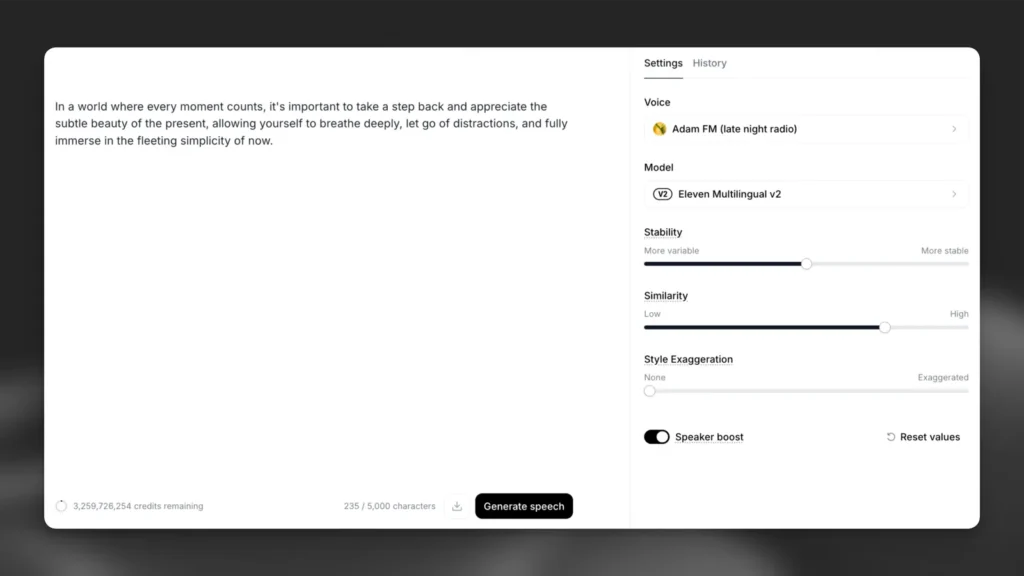
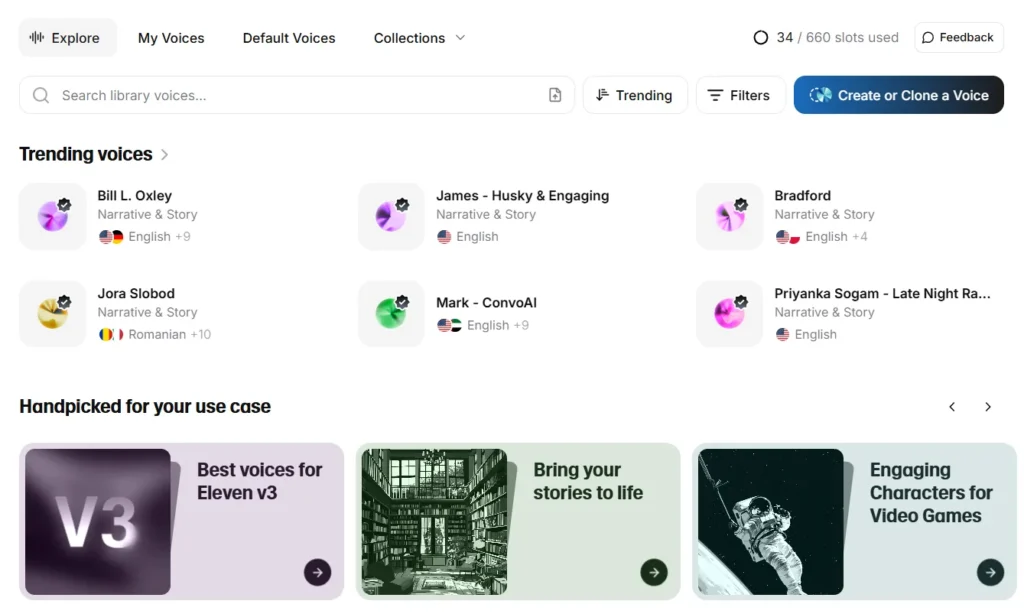
This is the closest thing to passive income on this list. You create a Professional Voice Clone of your own voice, ElevenLabs reviews it, and then other users can pay to use it. You earn each time someone generates audio with your voice, on terms you set.
It’s a real income stream for some people. ElevenLabs said in a May 2026 update that voice creators had earned over $22 million in total, with more than 10,400 creators earning. Most will earn small amounts, though. A few voices that suit popular uses, like warm narration or a clear explainer voice, earn most of the money.
To give your voice a better chance:
- Record in a quiet room with a decent microphone. Background noise ruins a clone.
- Pick a clear use case, like audiobook narration or calm meditation, and record in that style.
- Write an honest description and choose a good name and preview sample, since that’s what users browse.
If you have a voice people like listening to, there are also sites that pay you to do voiceovers the old-fashioned way, and you can do both at once.
3. Dubbing videos into other languages
ElevenLabs can translate and dub a video into dozens of languages while keeping the speaker’s voice. For a YouTuber or a course creator, that opens up whole new audiences in Spanish, Portuguese, French, German or Hindi.
You can sell this as a service. Offer to dub a creator’s top 10 videos into Spanish, then manage the uploads to a second channel or as extra audio tracks. Charge per video or per minute. The AI does the heavy lifting, but a good dubbing service checks names, slang and timing, ideally with a native speaker reviewing the result. That review is what clients pay for.
Businesses need this too. Training videos, product demos and online courses all reach more people in more languages.
4. Audiobooks
Authors with backlist books that were never turned into audiobooks are a large market. Professional narration can cost thousands of dollars per book, so AI narration makes audio possible for books that wouldn’t earn that back.
You can narrate your own books, or offer a production service to self-published authors: choosing the voice, fixing pronunciation of character names, adding pauses and mastering the files. Check each audiobook store’s current rules on AI narration before you start, since retailers handle it differently and the rules keep changing.
5. Voice agents for small businesses
This is the biggest opportunity on the list, and it takes the most learning. ElevenLabs lets you build voice agents, AI assistants that answer the phone or talk to website visitors in a natural voice. A dental office could use one to book appointments after hours. A restaurant could use one to take reservations and answer questions about the menu.
Small businesses miss calls all the time, and every missed call can be a lost customer. If you can build an agent that answers common questions and books appointments, you can charge a setup fee of $500 to $2,000 plus a monthly fee for running and improving it.
Start with one type of business and learn its questions inside out. The same approach works for an AI receptionist for a clinic or a voice agent for a restaurant.
Be careful with promises. Test the agent with dozens of real calls before it goes live, tell callers they’re talking to an AI, and make sure there’s always a way to reach a human.
6. Sound effects, music and meditation audio
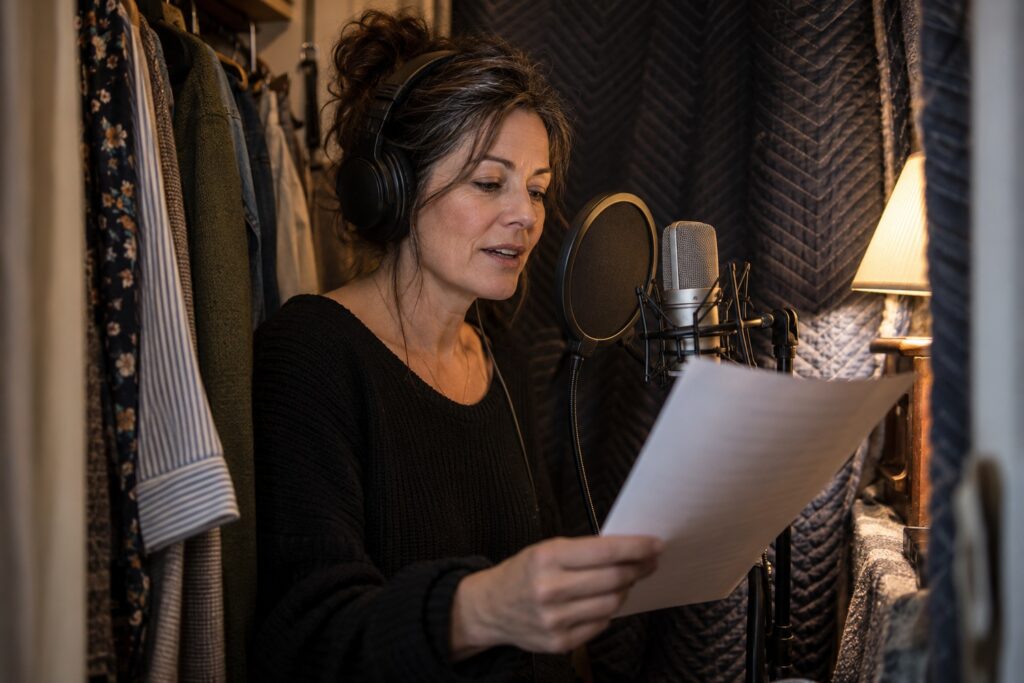
ElevenLabs can generate sound effects and music from a text description. That gives you a few smaller ways to earn:
- Meditation and sleep audio. Combine a calm narrated script with background sound and sell it as an album, a set of downloads or a YouTube channel. Calm narration is one of the strongest uses of AI voices, and you can create and sell meditation audio with AI in a weekend.
- Sound effect packs. Video editors and game makers buy packs of sound effects. Generate, edit and organize a themed pack, then sell it.
- Custom audio for clients. Podcast intros, ad jingles and hold messages for businesses.
Check the license terms for generated music and sound effects before you sell them, especially for commercial use.
Writing better scripts
The voice is only as good as the script. AI voices sound most natural with short sentences, clear punctuation and words written the way people speak. Many creators draft scripts in Claude and generate the audio in ElevenLabs, and that Claude and ElevenLabs combination is a simple setup for any of the ideas above.
A few habits help:
- Write numbers the way you want them said: “twenty-five dollars,” not “$25.”
- Use commas and full stops to control pauses.
- Listen to the whole output before you send it. AI voices sometimes stumble on names and unusual words.
Is ElevenLabs worth the cost?
For most of these ideas, yes. One client job usually covers a month’s subscription. If you’re only making voiceovers for your own channel and want to keep costs down, there are cheaper text-to-speech tools, though quality and voice choice vary.
FAQ
Is it legal to sell AI voiceovers?
Yes, if you have the right license from your plan and you use voices you’re allowed to use. The library voices come with their own terms, and cloning a real person’s voice needs their consent.
Which idea should I start with?
If you want money this month, start with voiceovers or dubbing for creators. If you’re willing to learn something more technical for bigger payments, go for voice agents.
Will people know it’s AI?
Often not, if the script is well written and you fix the stumbles. For voice agents, though, tell callers it’s an AI. It’s the honest approach, and in some places it’s required.